If working remotely from Indonesia sounds like a delightful fantasy, that’s because it is. Palm trees, iced coffee, laptop open, with an ocean somewhere nearby… It’s hard to think of anything more balanced and enjoyable in this hyper-pressured work world. But is it actually practical, or just Instagram-induced wishful thinking? The honest answer is that it can be both.
Indonesia, and Bali in particular, has become a very well-known and trendy place for remote workers. Southeast Asia in general consistently ranks among the top destinations for digital nomads, with Bali drawing a notable number of long-stay remote professionals each year.
It’s not just freelancers, either. A wide variety of nomadic professionals, including managers, designers, engineers, and consultants, are putting it at the top of their list. These are the same people with meetings, deadlines, and very little patience for unstable Wi-Fi. That says a lot.
Staying connected while working in Indonesia
When people say they’re working remotely from Indonesia, they usually mean Bali. Living costs remain reasonable compared to Western cities. Internet infrastructure is relatively strong. And the international community makes it easy to find your rhythm without feeling like a tourist forever.
Different towns suit different work styles. Canggu is social and startup-adjacent, with surf breaks between meetings. Ubud is quieter and more reflective, better for deep focus. Uluwatu attracts people who work hard in the morning and disappear by sunset.
Workspaces matter more than people usually account for out of the gate. When working remotely in Bali, you’ll likely rotate between a few different ones to stay connected, build community, and stay on top of your work.
Cafes are everywhere, and many are remote-worker friendly. They offer reliable Wi-Fi, decent coffee, and power outlets in enough quantity to be able to keep charged without stepping on toes. The unspoken rule is simple. Buy food, don’t camp all day, and read the room. Some cafes discourage long work sessions, especially during peak hours.
Coworking spaces are where Bali feels different. Many are open-air, built around cafes or gardens, and not only sealed glass boxes. It’s relaxed but still functional. You’ll find fast internet, desks, and just enough background noise to feel you are around other humans. Air-conditioned meeting rooms exist, though they’re still an exception. So, consider your temperature limits carefully when choosing a coworking space.
Co-living spaces have grown popular worldwide, including in Bali. Some feel like modern guesthouses, others like boutique hotels designed for remote work. The internet is usually strong, and you’re surrounded by people on similar schedules. There’s also a quieter version of co-living where nomads rent villas together and share costs. It’s informal, but often effective.
Connectivity itself depends. Accommodation Wi-Fi in popular areas is generally stable, but outages happen. Mobile data is fast and affordable, and many people use local SIMs or eSIMs as backup.
Managing time zones, work access, and online security
Indonesia spans three time zones. Bali runs on Central Indonesia Time, which is 12 hours ahead of Eastern Time in the US. That gap shapes your day whether you like it or not.
Some remote workers flip their schedules. Early mornings, late nights, long afternoons free. Others choose asynchronous work, with clear documentation, recorded updates, and fewer live meetings.
Access is another quiet challenge. Certain work platforms, banking tools, or internal systems may behave differently when you’re abroad. Streaming services like Netflix are going to be different from those in your home country, as their content depends on where you are.
Public Wi-Fi can be risky. Cafes and coworking spaces are convenient, but they’re still shared networks. Many remote workers rely on a VPN to keep connections private and maintain access to familiar tools while travelling. If you’re researching the best VPN service online for free and open internet, you’ll see why this has become standard remote work hygiene.
Legal considerations and long-term sustainability
Most digital nomads enter Indonesia on a type C visa, or Visit Visa, which is valid for 60 days. You may extend it up to 180 days later. Many people use it, although there aren’t clear boundaries about the type of remote work that is legal under a Visit Visa.
Indonesia does make a clearer distinction for foreign-employed remote workers. The Remote Worker KITAS is for people employed by overseas companies who are not earning income locally. It offers a more formal path for longer stays, though requirements and processes change, so staying informed is essential.
Tax residency can depend on time spent in the country. Spending more than 183 days in Indonesia within a 12-month period may make you a tax resident, liable for tax on worldwide income. Stay under that threshold, and taxation usually remains tied to your home country.
Beyond paperwork, there’s the bigger picture. Bali isn’t just a backdrop. It’s home to families, traditions, and an economy under pressure from rapid growth. Ability for remote work comes with privilege. That means respecting local customs and supporting local businesses. Learn a few phrases. Pay fair prices. Give back when you can. It’s not about charity, but basic awareness.
Working without losing the travel experience
Productivity abroad is about boundaries as much as it is about having the right tools, apps, connectivity, and work setup. Create structured work hours and protect them. Contain your plans for the day so work doesn’t bleed into everything else. Some people work early, explore midday, and return for light tasks later. Others have a batch of meetings and leave entire days open.
Simple systems help, such as utilizing calendars that block focus time. Project management tools can definitely help reduce mental clutter. Techniques like Pomodoro help prevent burnout and make work hours more effective and productive. This way, you have more time to enjoy the country itself and not only hack away at tasks all the time. None of that is exciting, but it works.
Keep clear communication with your clients and team members. Time zones aren’t an excuse if expectations are set early. Neither is being “in paradise.” Rest matters. Burnout hits faster when you’re trying to work full-time and travel full-speed. Build in stillness. It makes the experience sustainable.
The best season for remote work in Indonesia
Indonesia does not have four seasons in the way that you may be used to in your home country, depending on where you live. There are just two main seasons in the year: the dry season and the rainy season. Like four distinct seasons that change the mode of daily life, the two different times of year in Indonesia affect activity and lifestyle.
The dry season is from May to October. It’s the most popular time for remote workers to spend time in Indonesia. The days are warm, the humidity is lower, and there isn’t a ton of rain.
The rainy season is from November to April. Rainstorms in Indonesia come in short, intense downpours as opposed to all-day drizzle in places like the UK, Northern Spain, and Seattle. Humidity tends to be high during the rainy season, and the air is thick. Conditions tend to be less predictable. It is a less popular time for tourism and remote stays. So, the upside is that you’re likely to encounter fewer crowds and potential discounts on accommodation and activities.
In terms of surfing, Indonesia has year-round surfing conditions. The dry season is also the most popular time for surfing. From April to October, most surfers opt for surfing spots on the west coast of the island (Uluwatu, Padang Padang, and Bingin). The peak season for experienced surfers tends to be June to August. During the wet season, surfing activity moves to the east coast (Keramus and Nusa Dua). Waves tend to be smaller, but are still consistent. The wet season can provide a valuable opportunity for beginner and intermediate surfers to get in some good practice without too much crowd.
Indonesia versus other parts of SE Asia
How does Indonesia compare to other popular destinations in Southeast Asia for digital nomads and remote workers? When all is said and done, it depends on the journey of each individual and their specific preferences, experience level, and lifestyle.
Thailand still remains one of the entry points for digital nomads who are striking out for the first time. Thailand has a strong infrastructure and a long-established remote work ecosystem. Thailand is bigger, with a diversity of options depending on what a remote worker is looking for. There are also surfing opportunities in Thailand. But it isn’t the top destination for those seeking world-renowned surfing conditions.
Vietnam, the Philippines, and Malaysia are very different in culture and location. But all offer a sense of community, opportunity (stable Wi-Fi), and stability (relative English fluency). The Philippines also offers beloved, year-round surfing conditions. So, compared to Indonesia, it is a natural complementary choice.
Indonesia is appealing because it has a great balance. There is access to waves, cultural beauty, and affordability. It also has an established international community and a sense of relaxed, peaceful paradise. There may not be as much diversity of activity, nightlife, and community in larger countries like Thailand and Vietnam. But as a medium-term remote working destination, it is truly the obvious choice for anything surfing adjacent, even if it’s just for the vibes.
How to prepare for your trip
Effective preparation for a remote work stay should not be overlooked. You cannot predict every scenario and plan for it. Doing research ahead of time and knowing what you need to bring, what to be ready for, and how to navigate certain situations is essential. It will help to reduce stress and adjust to possible culture shock in a sustainable and respectful way.
Start with mobile connectivity. It’s possible to buy a local SIM on arrival, but eSIMs are becoming more popular. Utilizing an eSIM is often more expensive, but it makes up for it in sheer convenience. There is comfort in getting off the plane and already having access to mobile data. It can help you navigate and communicate with hosts or accommodation concierges.
In terms of packing, pack knowing your intentions. Nomading requires carrying everything in your life, at least for a few months at a time, in only a few small bags. Overpack, and you’re lugging around unnecessary weight. Underpack, and you have to spend extra time, money, and energy seeking out items you could have brought from home. A few essentials for the digital nomad life: a lightweight laptop, noise-cancelling headphones, and universal adapters. Pack for the season you are traveling in. If you’re headed to Bali during the rainy season, be sure to have a poncho on hand. But your snowshoes can probably stay at home.
Medical care
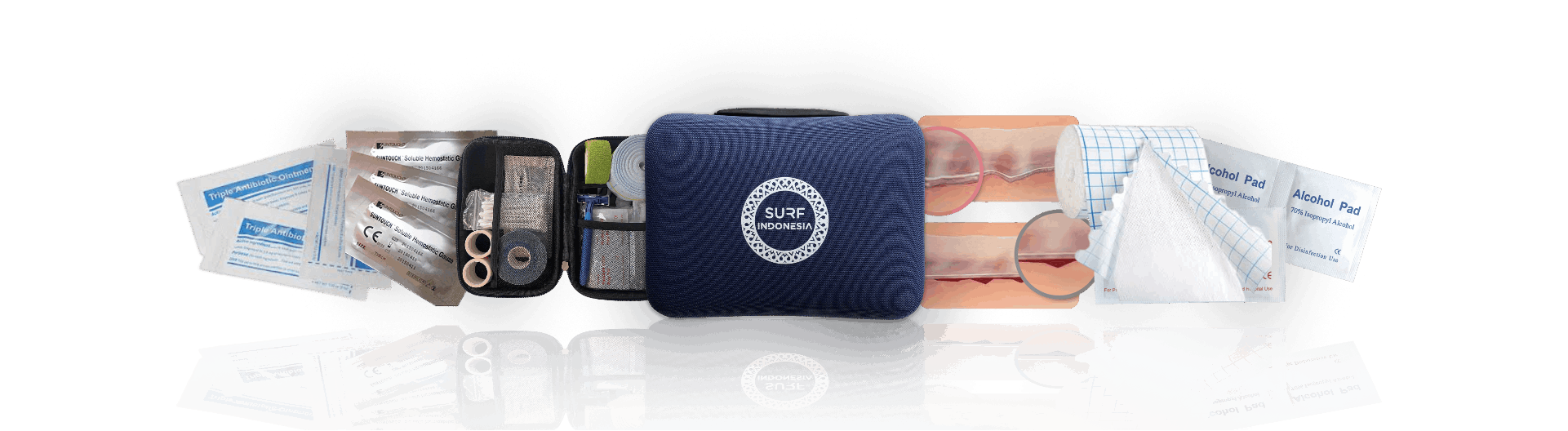
No one likes to admit it, but proper health insurance coverage is a staple of the digital nomad lifestyle. Standard “travel insurance” isn’t usually enough to cover ongoing remote work. Most remote workers choose international health insurance plans that specifically cover extended stays, emergency, and medical evacuation. Always review plans carefully, considering the fine print, and don’t skimp on coverage, even if it feels unnecessary from the periphery.
Indonesia has private hospitals and clinics in major areas. Serious cases may require treatment in other places. That’s why international cover (or at least regional coverage) should be prioritized. Routine healthcare is generally affordable. Always consider prescription medication. Even certain over-the-counter medicines that are standard offerings at home may not be available in local drugstores. Bring backups of any important medications. Know what your insurance covers and doesn’t cover ahead of time. Keep coverage documents as well as previous medical records and prescriptions on hand. Take them either as physical documents or easy-to-access digital copies. Keep backups of all documents.
Putting it all together
Working remotely from Indonesia can be deeply rewarding. Not just because it’s paradise, but because it asks you to be intentional. About your schedule. Your tools. Your presence. With proper preparation, the work gets done. And the destination becomes more than just an Instagram backdrop – it becomes part of a life that actually fits together.