
A Guide to Bali, Lombok & the Gili Islands (2025 Edition)

  1. Home
  2. Best Of
  3. A Guide to Bali, Lombok & the Gili Islands (2025 Edition)

Dreaming of tropical waterfalls, vibrant coral reefs, and long lazy days with a coconut in hand? Whether you’re an adventurer, a beach bum, or a cultural explorer, Indonesia’s trio of Bali, Lombok, and the Gili Islands has something magical in store for you — 365 days a year.

Let’s break it down island by island, so you can plan the perfect escape.


Bali: Culture, Waterfalls & Coastal Cool

Bali is a sensory experience — lush landscapes, incense-filled temples, and waves made for surfing. The island offers a blend of spiritual calm and modern comforts, with every corner worth exploring.
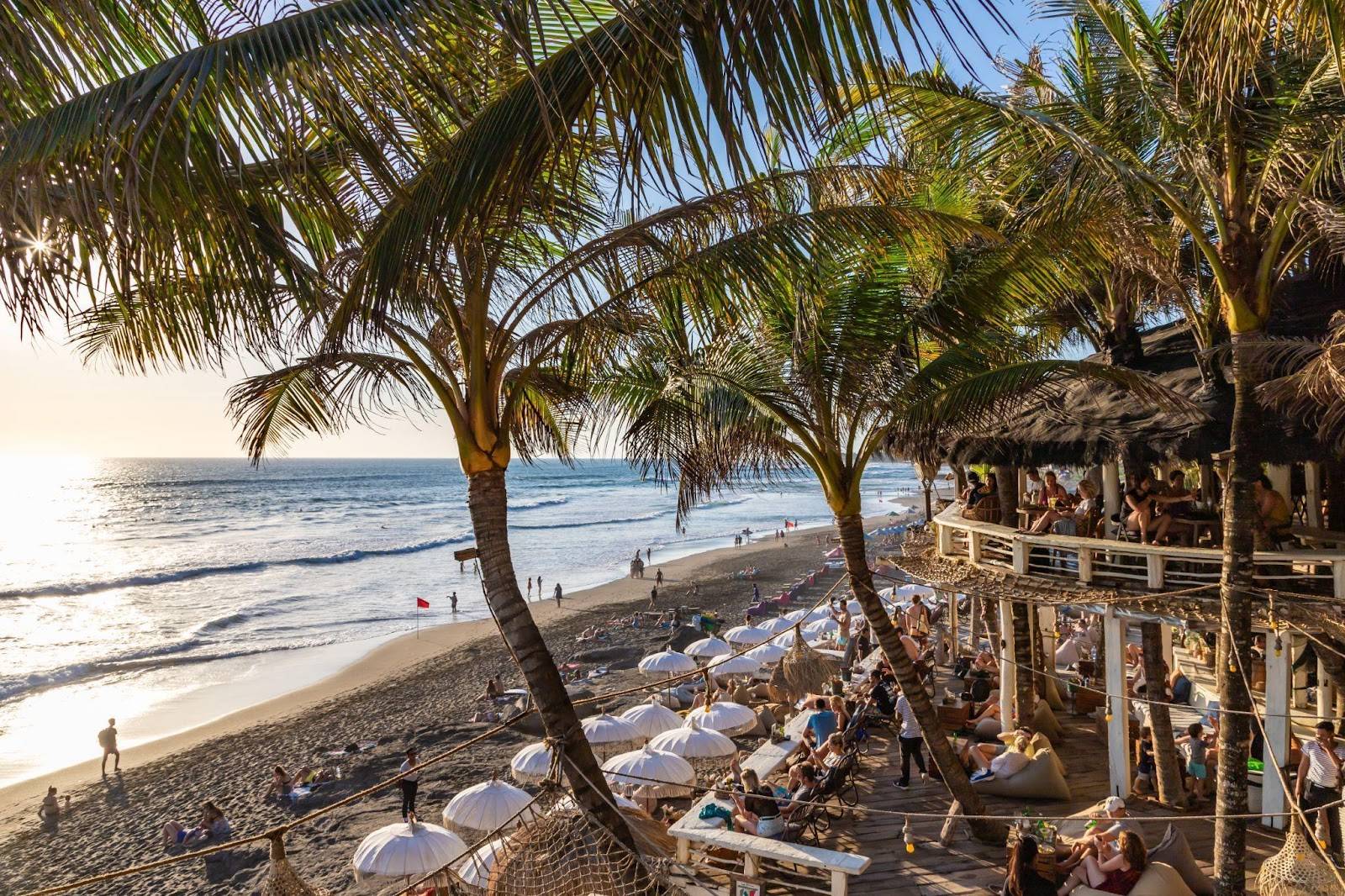
bali-guide

Ubud: Culture & Jungle Serenity

  • Must-See: Tegalalang Rice Terraces — Go early for the best light and fewer crowds.
  • Don’t Miss: Sacred Monkey Forest — A mystical place, but keep your sunglasses hidden from curious monkeys.
  • Pro Tip: Join a yoga class or art workshop to dive into Ubud’s creative soul.

North Bali: Hidden Waterfalls & Road Trips

Rent a scooter or private driver and go waterfall hopping:

  • Sekumpul: Arguably Bali’s most stunning waterfall.
  • Aling-Aling: Natural rock slides and cliff jumps for the daring.
  • Tibumana: Perfect for a quiet swim in a jungle setting.

  Tip: Use offline maps and pack snacks — some waterfalls are remote with few facilities.

Uluwatu & Canggu: Surf & Sunset Magic

  • Uluwatu: Clifftop temples, fiery Kecak dance performances, and world-class surf.
  • Canggu: A modern beach town with smoothie bowls, sunset bars, and co-working spots.

  Foodie Tip: Try a beachfront warung for grilled seafood or explore Bali’s plant-based scene in Canggu.

Gili Islands: Off-Grid Bliss & Turtle Encounters
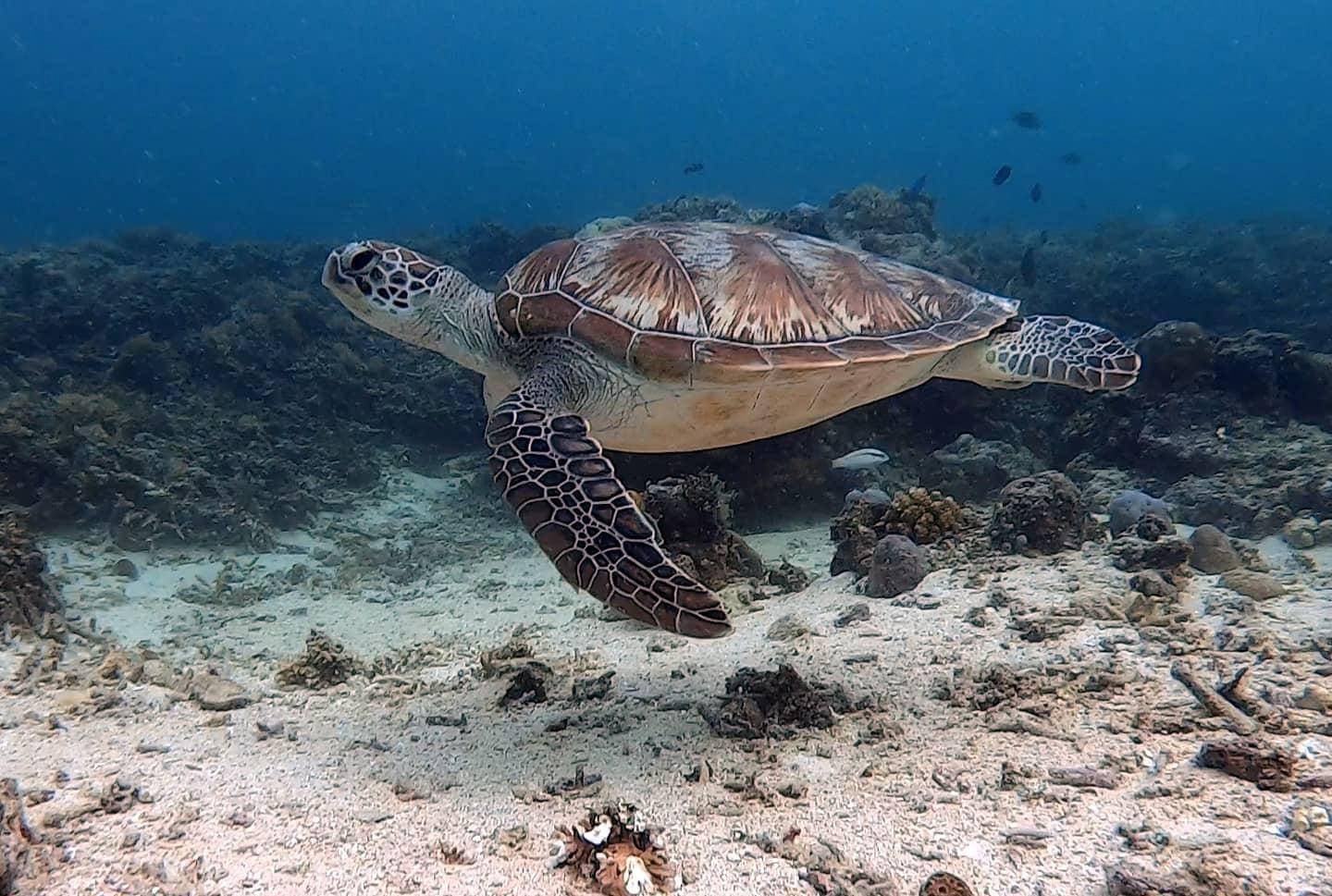
What’s next? A ferry ride from Bali to the Gili Islands (Trawangan, Air, and Meno) takes only 1.5 to 2 hours and offers an entirely different vibe and no motor traffic.

  • Gili Trawangan: Lively nightlife, diving schools, and sunset beach parties.
  • Gili Air: A balanced mix of chill and fun — perfect for couples or digital nomads.
  • Gili Meno: Quiet beaches, ideal for honeymooners or solo detox time.

  Highlight: Snorkel with sea turtles in crystal-clear shallows. Don’t want to plan it yourself? Book a glass-bottom boat tour.

  Getting Around: Rent a bike or walk. These islands are small, and part of their magic is the slow pace.

Lombok: Wild Beauty & Epic Treks
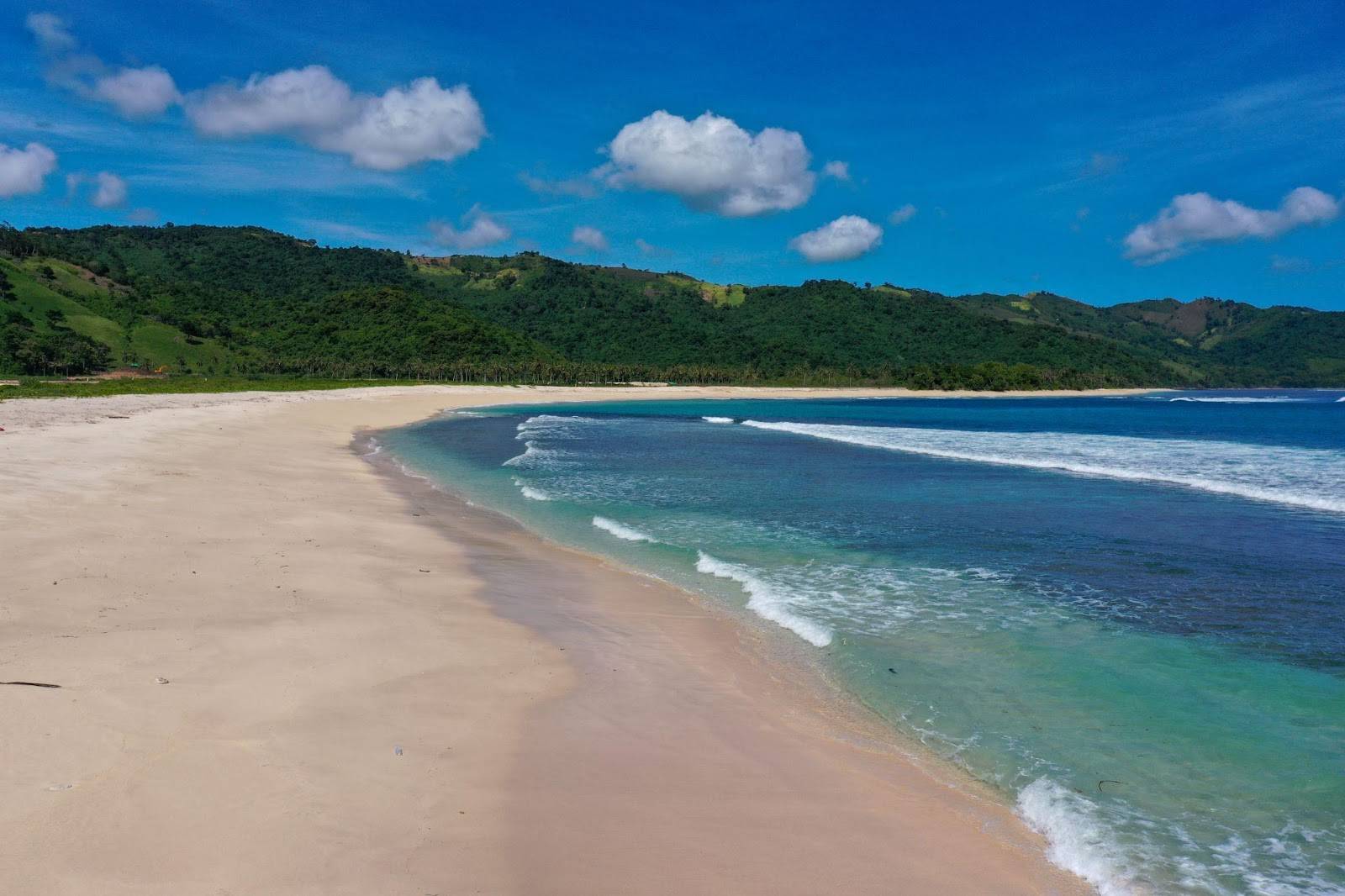
Lombok is often overlooked — and that’s what makes it special. Fewer tourists, pristine nature, and an adventurous edge.

 Climb Mount Rinjani

  • 2-3 day hike with camping
  • See sunrise over an active volcano and a crater lake (Segara Anak)
  • Best from April to November (dry season)

 Pack smart: Bring warm layers — it gets cold at the top!

 Visit the Pink Beach

  • Tangsi Beach: Its rosy sand and turquoise sea are a photographer’s dream.
  • Go early or late for fewer crowds and best lighting.

 Explore Kuta, Lombok (Not to be confused with Kuta, Bali)

  • Surfer’s paradise with scenic breaks
  • Less developed, more authentic
  • Great day trips: Tanjung Aan, Selong Belanak, and Mawun Beach

Getting Around the Islands

Here’s how to connect the dots across paradise:

  • Ferries: Ideal if you’re heading to Senggigi or  Lombok from Bali.
  • Flights: Bali to Lombok (40 mins). Ideal if you’re heading straight to Kuta, Lombok.
  • Local transport: In Lombok, rent a scooter or hire a driver. In the Gilis, it’s all bikes and barefoot.

Final Thoughts

Indonesia’s islands aren’t just destinations — they’re experiences that shift how you travel and think. Whether you’re practicing sunrise yoga in Ubud, diving with turtles in the Gilis, or standing above the clouds on Rinjani, you’re guaranteed unforgettable memories.

  Travel Tip: Always travel with travel insurance, a reusable water bottle, and reef-safe sunscreen. Respect local customs — especially around temples — and leave no trace on these beautiful islands.

Ready to escape? Pack light, bring curiosity, and let the rhythm of island life do the rest.
samasti-yoga-teacher-training-asia

Samasti Yoga offers a compassionate and body-aware approach to yoga teacher training in a coastal setting in South Bali. This program is well suited for surfers and travelers interested in understanding how the body moves, heals, and adapts.

The training integrates functional movement, somatics, trauma-informed teaching, breathwork, and applied anatomy. Students learn how to assess movement patterns, choose safer progressions, and create classes that support nervous system regulation.

The calm environment near the beach allows for rest and integration between modules. Graduates often feel confident working with a wide range of students, including beginners, older populations, and those recovering from injury or stress.

Samasti is an excellent option for those who want to teach yoga in an inclusive, grounded, and sustainable way while remaining close to the sea.

Location: South Bali
Yoga Styles: Vinyasa, Hatha, Somatic, Functional Yoga
Duration: 29 days

4. Joga Yoga, Uluwatu

Jogayoga

Located near the cliffs and surf breaks of Uluwatu, Joga Yoga sits at the heart of Bali’s surf culture. The region is known for its dramatic coastline, powerful waves, and strong ocean energy, which naturally complements the inner work of yoga training.

The 200-hour program explores Vinyasa, Hatha, Yin, and Restorative yoga, along with meditation, journaling, and simple energy practices. Students graduate with a versatile teaching toolkit that allows them to adapt classes for different audiences and environments.

Practice teaching and peer feedback are woven throughout the training, helping students develop confidence and clear communication. Free time is often spent swimming, walking along the cliffs, or resting between sessions.

Joga Yoga is ideal For people who spend time in the water who want structured learning without losing connection to the ocean and outdoor lifestyle.

Location: Uluwatu
Yoga Styles: Vinyasa, Hatha, Yin, Restorative
Duration: 22 days

Balancing Surfing and Yoga Teacher Training

Many students continue to surf during yoga teacher training, especially when programs are close to the coast. The key is balance and self-awareness.

Helpful tips include:

  • Surf early in the morning before classes
  • Prioritize sleep, hydration, and nutrition
  • Use Yin or restorative practices for recovery
  • Avoid overtraining during intensive weeks
  • Communicate openly with teachers

Yoga teacher training is demanding, physically and mentally, and there are days when it feels like a lot.. Surfing fewer, more intentional sessions often enhances both practices rather than competing for energy. Over time, yoga improves surfing performance through better breath control, balance, and mental calm.

Cost of Yoga Teacher Training in Bali

Pricing varies depending on location, inclusions, and teaching style.

  • Mid-range programs: $2,000 to $2,700, often with shared accommodation
  • Premium coastal programs: $2,800 to $3,500+, typically including accommodation and added support

Some programs include meals, manuals, and airport transfers, while others require separate arrangements. When comparing options, consider the full experience rather than the base fee alone. Early-bird discounts, free stays, and payment plans can provide excellent value.

Final Takeaway

For those living an active, coastal lifestyle, choosing a beach-based yoga teacher training in Bali allows you to stay connected to the ocean while committing fully to personal and professional growth. Whether you prefer quiet island living, cliffside surf culture, or a calm coastal village, Bali offers environments that support both movement and stillness.

A yoga teacher training here is not just about certification. It is about learning to live with intention, balance, and presence, both on the mat and in the water.

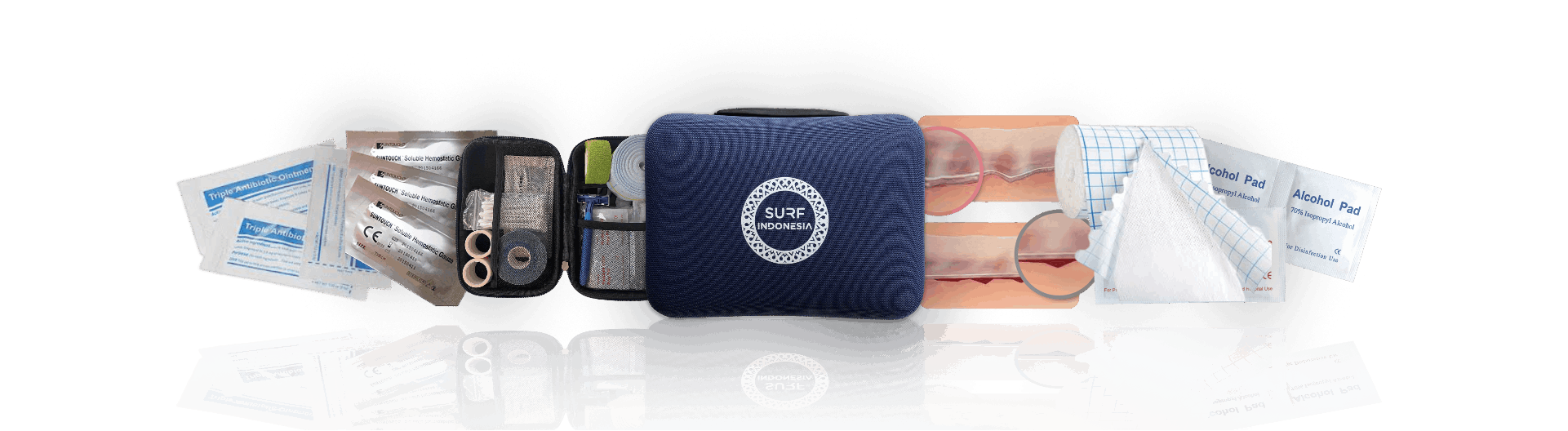
THE SURFERS FIRST AID KIT

The essential tools every surfer needs for first aid